




You know the Monday. A big project lands on your desk, someone key just went on leave, and the headcount approval you need is somewhere in finance’s inbox. Hiring your way out of that takes weeks you don’t have. The fix is a flexible workforce management solution, and honestly, the time to build one is the week before that Monday, not during it.
What a Flexible Workforce Actually Means
- Let’s get one thing straight first.
- A flexible workforce isn’t a bunch of temps you scramble to call when things go sideways
- It’s a real plan, a solid internal team backed by contract, temporary, interim, and contract-to-hire people you can bring in as needs shift
Get It Right, and You:
- Keep service levels steady
- Hold labor costs in check
- Make smarter permanent hires down the road
Get It Wrong, And You’re Left With:
- Chaos, plus a pile of invoices
Workforce Flexibility Comes in Two Flavors
There are two kinds of effective workforce flexibility, and people mix them up all the time.
Numerical Flexibility:
- Changing how many people or hours you have as demand moves
Functional Flexibility:
- Having people who can do a bunch of different things because they’re multi-skilled
- Ideally, you’ve got some of each.
But Don’t Lean Too Hard on Multi-Skilling:
- Training costs money
- People make mistakes while they’re learning
- Keep dumping specialized work on an already stretched team, and you don’t get agility; you get errors and burnout
Sort the Work First: A Workforce Planning Habit That Pays Off
Here’s the habit that matters most in the workforce planning toolkit: start with the work, not the job titles.
Sort Everything Into Three Piles:
- Ongoing core work
- Projects with an end date
- Surprise surges
Then Match The Model:
- Core work? Usually worth a permanent hire.
- A defined project can go to a contract pro with the right skills.
- A surge calls for temporary help you can add fast and scale back when things calm down.
That One Step Stops The Costliest Mistake Out There:
- Hiring a permanent employee for a temporary problem
While You’re at It, Build a Simple Skills Inventory:
- If only one person understands a critical system, you want to know now, not when they’re on vacation
Building a Contingent Workforce Without Losing Control
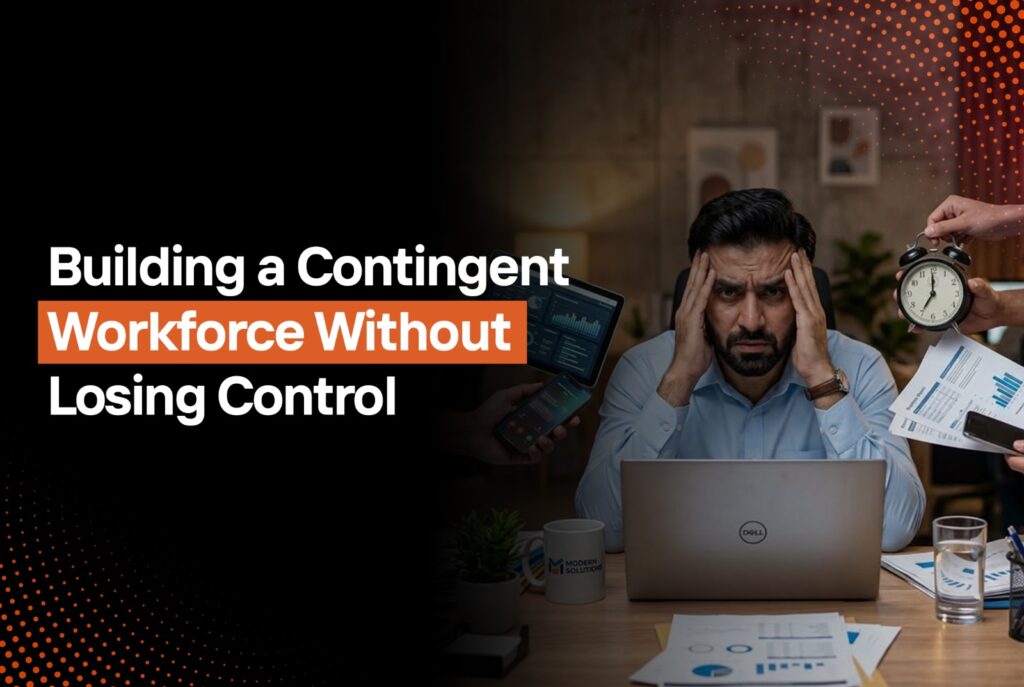
So who counts as contingent? Basically, anyone without an implicit or explicit contract for ongoing employment. Part-timers, temps, and on-call workers, leased employees, independent contractors, and consultants all fit.
A few habits keep it all under control:
- Match the model to the need. Temps for coverage, contract for projects, contract-to-hire when you can’t tell if the role will last
- Write the scope down before day one
- Have an onboarding checklist ready for the role, because fast doesn’t have to mean sloppy
- Judge results by how quickly people get productive and what they deliver. The lowest bill rate isn’t always the lowest total cost, and plenty of teams learn that the hard way
Why Texas Employers Are Leaning on Flexible Staffing Solutions
Look At What’s Happening in Texas.
- The state is projected to lead the nation in tech job gains in 2026, with Dallas and Austin driving it
- Dallas-Fort Worth alone supports roughly 377,000 net tech workers
- That means a lot of companies are chasing the same engineers
And Budgets? Tight.
- Temp staffing has been climbing for more than half of 2026, while permanent hiring hasn’t followed
- A req that would’ve been a full-time job in 2022 is now a twelve-month contract
- That’s flexibility, right there in the numbers
So What Are Teams Doing?
- Teams in Houston, Dallas, and Austin are using contract and contract-to-hire to add capacity
- Without signing up for headcount, they can’t justify it yet
- They’re in good company; contingent workers already make up 30% to 50% of the workforce at many organizations
Frequently Asked Questions
Q1: How can businesses build a flexible workforce?
Start by sorting your work into three buckets: core, project, and surge. Then match each one to the right hiring model, keep your skills inventory up to date, and have onboarding ready before you actually need it. Once that’s running, look at what’s working and adjust as you go.
Q2: What’s the difference between a flexible workforce and a contingent workforce?
A flexible workforce is the whole strategy: a core team plus the ability to flex when demand changes. A contingent workforce is one piece of it, the people who don’t have an ongoing employment contract.
Q3: How does Tekberry help Texas companies build a flexible workforce?
Tekberry works with companies on contract, contract-to-hire, and direct hire staffing for tech roles, so you can adjust your team’s capacity without dropping the bar on quality. We place talent throughout Texas and across the country. Get in touch and let’s plan for the next surge before it’s already here.
Key Takeaways
- A flexible workforce pairs a strong core team with contract, temporary, and contract-to-hire talent
- Numerical flexibility is about how many people you have. Functional flexibility is about what they can do.
- Sorting work into core, project, and surge prevents permanent hires for temporary needs
- Texas tech demand is high, and budgets are tight, which is pushing teams toward contract staffing
- Judge contingent staffing by results and total cost, not bill rate alone
Conclusion
Flexibility isn’t something you improvise when the pressure’s already on. It’s a plan, and the best ones are pretty quiet. They get built long before anyone feels overwhelmed.
Companies across Dallas, Austin, Houston, and the rest of Texas that sort their work, keep a skills inventory, and line up staffing partners early tend to stay calm when demand jumps.
Tekberry helps tech companies build a flexible workforce that actually flexes. We staff throughout Texas and across the rest of the country, so reach out to the Tekberry team and let’s figure out where your next surge is likely to come from.
Need the right talent for your team?
Partner with tekberry to access data-driven recruitment solutions that connect you with skilled professionals quickly and efficiently.
Book a Free Consultation