




Three senior developers needed by Monday. Last time? Eleven weeks to hire. Deadline missed.
That story isn’t rare; it’s a normal week for most tech companies right now. That’s why more businesses in 2026 are stepping back from the “hire everyone permanently” playbook and building flexible workforce solutions that actually fit how work moves today.
Tekberry also assists you in overcoming these problems in your firm. But first, you need to understand it all from scratch.
Why Flexible Workforce Solutions Is The Answer To This Hiring Problem?
Something Broke in the Old Way of Hiring
The old permanent hire model was built for a slower time. Stable demand. Long projects. Headcount that didn’t bounce around much. You’d post a job, interview for weeks, make an offer, onboard for a month, and settle in.
That worked when the world wasn’t moving so fast.
But now? Demand spikes. Project scopes shift. A client doubles an order. A migration lands early. None of that waits around for a three-month hiring process.
Companies still running on pure permanent headcount aren’t just slower, they’re carrying costs that don’t flex with the business. And in a tight market, that hits fast.
What “Flexible” Looks Like When It’s Done Right
A lot of people hear “flexible workforce” and picture a race to the bottom, temporary workers without benefits, low pay, and no commitment from either side. That’s not what’s actually happening at companies that are getting this right.
Done well, flexible workforce solutions mean having access to genuinely skilled professionals, contractors, project-based hires, temp-to-perm placements, who can step in fast, contribute immediately, and move on cleanly when the work is done. The business isn’t carrying long-term overhead for roles that don’t justify it. The professional isn’t locked into something that doesn’t fit.
When a business uses flexible staffing, costs associated with benefits and long-term compensation don’t apply. Also, when peak demand slows down, the company can release temporary staff without the high costs that come with laying off permanent employees.
That’s not just a cost argument. It’s a speed argument. Flexible hiring focuses on current capabilities rather than generalised CV screening, which cuts out the training lag and means the role gets filled quickly without stalling the work that’s already in motion.
For tech companies, that speed is often the whole game.
Why Contract Staffing Trends Are Pointing One Direction
The contract staffing trends coming out of 2026 aren’t complicated. More companies want the ability to scale without locking themselves into permanent commitments they can’t unwind. More skilled professionals want the ability to choose their projects and their clients without being tied to one employer indefinitely.
Both of those things are true at the same time, and that’s what’s driving the market.
Today’s workforce increasingly values flexibility, career growth opportunities, and meaningful work, and organizations that offer these things are more likely to attract and retain the talent they actually want.
What this means practically: the best contractors aren’t sitting around waiting for any engagement that comes along. They have real options.
If your process is slow, your project scope is vague, or your onboarding is a disaster, they’ll take the next call.
Accessing top contract talent in 2026 means treating those engagements with the same seriousness as a permanent hire—clear scope, fast decisions, and actually being a good client. The most successful organizations often partner with a trusted Staffing Agency to streamline hiring, improve candidate experience, and secure top talent before competitors do.
The Workforce Management Strategies That Are Working
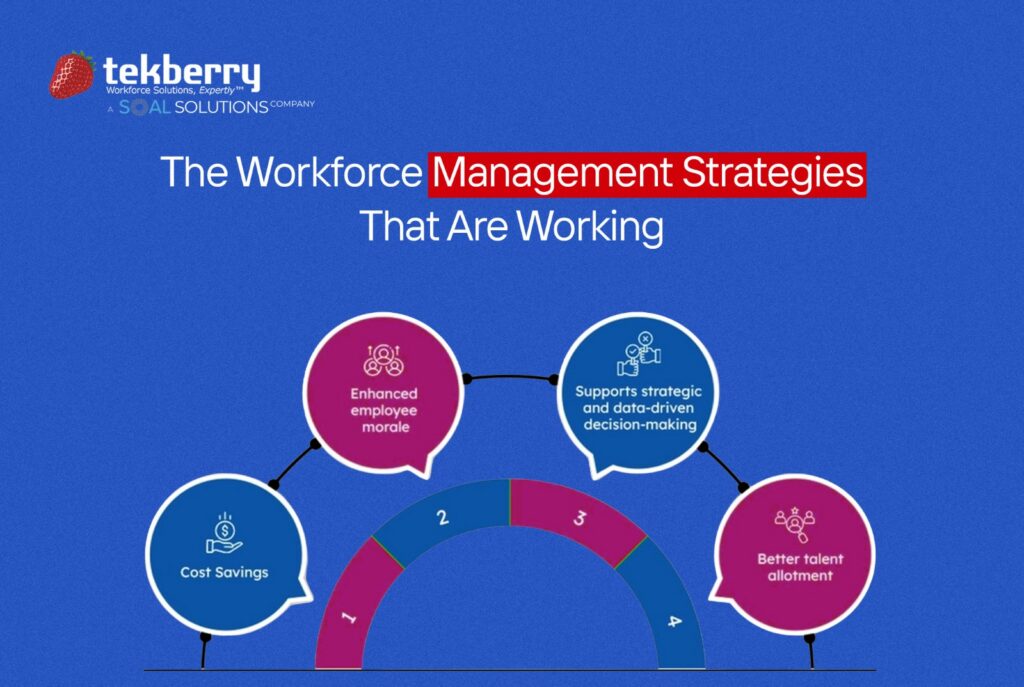
The companies getting the most out of flexible models aren’t just reacting to gaps when they open. They’ve built workforce management strategies that see the gaps coming before they become problems.
That means maintaining actual relationships with staffing partners before a vacancy appears, so there’s a real pipeline to pull from instead of starting cold every time. It means being honest internally about which roles genuinely need permanence and which are better served by a contract arrangement.
And it means treating the flexible workforce as part of the team, not a separate category that gets treated like a rental car.
Organizations embracing flexible work arrangements are seeing improved productivity, better talent attraction and retention, and the operational efficiency to scale without the long-term financial commitment that traditional structures demand.
There’s also a less-discussed benefit that matters a lot to retention: when contract staff absorbs the surges and spikes, the permanent team doesn’t have to. People can do their actual jobs without spending six months in crisis mode. That protects culture, and culture is what keeps your best permanent people from leaving.
The Agile Workforce Advantage Nobody Talks About Enough
An agile workforce gives you three things.
- You can move fast when things change.
- You can bring in niche skills without a forever commitment.
- And you don’t have to lay people off when things slow down.
That kind of flexible staffing strategy helps you cover holiday rushes, special projects, or sick days without making your core team miserable.
The tech companies doing well right now aren’t always the ones paying top dollar. They’re just quicker, clearer, and nicer to work for. An agile workforce just makes all that simpler.
At Tekberry, we don’t start with “contractor or permanent.” We ask what each job actually needs. Mostly, the answer is a mix. Those companies? They’re quietly beating everyone else.
FAQs
Q1: Doesn’t flexible staffing mean lower-quality workers?
Not when done right. Top talent chooses flexible work for the freedom, not because they can’t find permanent jobs. Quality comes from good vetting and onboarding. Tekberry treats contract and permanent roles the same.
Q2: How does an agile workforce model affect permanent employees?
A flexible workforce solution takes the pressure off your permanent team during busy spikes. They focus on real work, not constant crisis mode. That protects output, morale, and retention, which matters most long-term.
Q3: How does Tekberry help companies build flexible workforce management strategies?
We sit down with tech companies and figure out which jobs actually make sense to keep flexible. Then we move fast, finding pre-vetted people who can jump right in. Six weeks or six months, we don’t cut corners. Give the Tekberry team a call and let’s talk about what your workforce really needs right now.
Conclusion
All in all, the move toward flexible workforce solutions didn’t just start this year, and it’s not stopping here. It’s a real shift in how companies think about talent, sped up by the pandemic, locked in by economic ups and downs, and now seen as a competitive edge, not a fallback.
Contract staffing trends in tech keep pointing in the same direction. Workforce management strategies built on adaptability are beating those built on permanence. And the agile workforce model, when done right, with real vetting and genuine respect for people, is delivering results the old playbook just can’t touch.
If your team is still hiring like it’s five years ago, it’s worth a closer look. Reach out to Tekberry and let’s talk about what a smarter workforce strategy actually looks like for where you’re headed.
Need the right talent for your team?
Partner with tekberry to access data-driven recruitment solutions that connect you with skilled professionals quickly and efficiently.
Book a Free Consultation